
Audience research
Part of Run B2B demand generation audience research: a practical guide
When to redefine your B2B demand generation target audience
B2B demand generation audience refresh: four buying signals, the two-quarter review rule and a practical checklist for validating your profile.
What to take away
- Two changes since 2024 push audience work up the agendathe procurement thresholds in the Procurement Act 2023 took effect on 24 February 2025, and Google's plan to remove third-party cookies from Chrome was abandoned in April 2025.
- Redefine the target audience when buying signals shift, not on a fixed annual calendar.
- Treat it as a scoping exercisedefine the job title, sector, company size and trigger event before you buy lists or brief creative.
- Keep written evidence of how you chose the audience, because the ASA can require it for B2B ads.
- Expect two to four weeks for a first pass, run by one researcher and one sales lead.
Which signals show the audience has moved?
Start with the evidence you already hold. If two or more of these four warning signs appear in a quarter, the target audience is probably out of date:
- Sales conversations or deal records repeatedly show buyers in roles or buying groups outside the profile.
- Qualified opportunities and closed-won deals come from sectors or company sizes outside the profile, while intended segments stop progressing.
- Buyers report a different trigger event, problem or budget holder from the one in the profile.
- The channels reaching the intended roles and sectors change, or qualified conversations increasingly come from different channels.
Signals the audience has moved
- Same objection three times, same job title
- Over a fifth of meetings from excluded sector
- Cost per qualified lead up two quarters
- Competitor appearing in previously solo deals
Channel shifts count too. Keep a record of which channels are producing conversations with the intended roles and sectors, and review that evidence between formal refreshes.
What has changed in the rules and the channels?
The Procurement Act 2023 replaced the previous UK regime on 24 February 2025, so public sector buyers now work to different thresholds and timescales. If you sell to councils, NHS trusts or central government, that changes who signs and when.
Rule and channel changes
- 24 Feb 2025Procurement Act 2023 replaces UK regime
- April 2025Google keeps third-party cookies in Chrome
On the paid side, Google confirmed in April 2025 that it would not remove third-party cookies from Chrome. Audience work that assumed a cookie-free future now needs a second look. HubSpot's guidance on finding and reaching customers covers the targeting and outreach basics if you are rebuilding a profile from scratch.
How do you define the audience in a week?
Work in one page, not a deck. A useful profile names four things.
- Job title or buying role.
- Sector.
- Company size.
- Trigger event.
Define the audience in a week
- Name job title, seniority and budget signer
- Set sector and company size band
- Identify the trigger event
- List the two stalling objections
- Write each as a testable statement
- Validate against 20 closed-won deals
Write each as a testable statement. "Operations directors at firms with 200 to 500 staff, after a compliance audit" beats "senior decision makers".
Then validate. Pull 20 closed-won deals from the last 18 months and check the profile against them. If fewer than 12 match, the profile is wrong, not the deals.
Which questions should a survey ask?
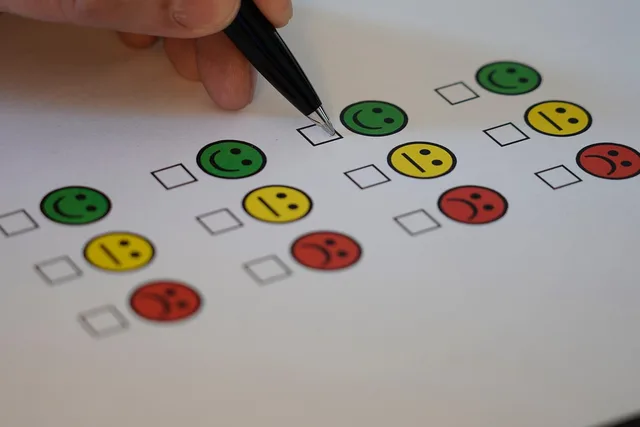
A short survey beats a long one. Ask about the trigger event, the budget holder and the alternatives considered. Avoid asking people to rate your product.
If you are choosing a platform, compare question limits and panel access before you commit. Record how each option can help you reach and learn from the audience in your profile.
Keep the sample honest. Ten interviews with the right job titles beat 200 responses from a panel that does not match the profile.
What must stay compliant?
B2B marketing still falls under general consumer protection law where a business buyer counts as a trader. The Consumer Protection from Unfair Trading Regulations 2008 remain the core text on misleading claims and aggressive practices, so keep your audience claims accurate.
The Advertising Standards Authority enforces the CAP Code, including for business-to-business ads. Under CAP Code rule 3.1, marketing communications must not materially mislead or be likely to do so. Its work on monitoring and enforcement means any claim you make about who a product suits should be something you can evidence.
Checklist before you brief a demand gen agency
- One-page profile written and dated.
- Twenty closed-won deals checked against it.
- Trigger event named in the buyer's own words.
- Two objections listed with a response.
- Public-sector procurement route checked if relevant.
- Data source and lawful basis recorded.
- Review date set, no more than two quarters away.
- Named owner in sales and in marketing.
Common questions
How often should the target audience be reviewed?
Every two quarters, or sooner if two trigger signals appear in one quarter. A fixed annual review misses channel shifts.
Who should own the audience profile?
One person in marketing and one in sales, jointly. Single ownership tends to drift towards whichever team shouts loudest.
Does a demand gen agency need the full profile?
Yes. Give the agency the same one-page profile your sales team uses, otherwise briefs and lead scoring will disagree.
What if the data contradicts the profile?
Change the profile. Deal data from the last 18 months is stronger evidence than an internal assumption about who buys.